
Blended Intensive Programme (BIP) są to krótkie intensywne programy mieszane, w ramach których wykorzystuje się innowacyjne metody uczenia się i nauczania, w tym współpracę online. Programy te są przygotowywane przez co najmniej trzy uczelnie partnerskie współpracujące w ramach Erasmus+ .
W ramach programu BIP organizowane są kursy składające się z dwóch komponentów, fizycznej mobilności oraz obowiązkowego wirtualnego uczestnictwa.
Oferta programów BIP kierowana jest do studentów studiów I i II stopnia, oraz uczestników Szkoły Doktorskiej.
Uczestnik BIP za udział w kursie otrzymuje min 3 pkt ECTS.
Aktualne oferty
Deggendorf, Niemcy
BIP "Game Changers: Igniting Global Innovation”
Erasmus+ BIP: „Game Changers: Igniting Global Innovation”
Location: Deggendorf Institute of Technology, Campus Deggendorf Dieter‑Görlitz‑Platz 1, 94469 Deggendorf, Germany
Programme Overview
- Total duration: 5 days on-site + 5 online sessions
- Virtual phase: 3 sessions before and 2 sessions after the on-site week (exact dates to be confirmed)
- On-site phase: Tuesday, 22 September – Saturday, 26 September 2026
- Language: English
- Credits: 3 ECTS
- Certificate: Awarded with 90% attendance + completion of all assignments
- Eligibility: Master’s and PhD students
Programme Description
This BIP brings together Master’s and PhD students from diverse disciplines and cultural backgrounds to co‑create innovative solutions. The programme focuses on real-world challenges in renewable energy, sustainability, and the bioeconomy, fostering international collaboration and meaningful knowledge exchange.
Participants will:
- Develop an entrepreneurial and solution‑oriented mindset
- Strengthen science communication skills
- Gain a systems-thinking perspective for complex global issues
- Explore cutting-edge technologies and connect with pioneering companies
Learning Approach
- Challenge-Based Learning (CBL)
- Interdisciplinary and international teamwork
- Insights from academic and industry experts
- Experiential learning through practical activities and site visits
- Continuous mentoring and coaching
Outcome
Participants gain innovative project results, future‑ready skills, and a strong international network.
Deadlines
- Nomination deadline (universities): 30 June 2026
- Student application period: 13 July – 31 July 2026

Deggendorf, Niemcy
BIP "Transforming Healthcare with AI: Bridging Knowledge, Practical Applications, and Adoption" in the field of Digital Health
The BIP „Transforming Healthcare with AI: Bridging Knowledge, Practical Applications, and Adoption” in the field of Digital Health
will take place in presence from Monday, 09.11.2026 until Friday, 13.11.2026 at our European Campus in Pfarrkirchen.
The virtual component is scheduled on Monday, 02.11.2026 and Tuesday, 03.11.2026.
You can find more information in our flyer and on our website (to be updated soon).
Lipeja, Łotwa
3D game creation from scratch using CSS, HTML and Java Script
📍 Liepaja, Latvia
📅 28 June – 4 July 2026
🎓 3 ECTS
Programme at a Glance
Study Location: Liepaja, Latvia
Academic Field: Software & Applications Development (0613)
Format Short-term Blended (Physical + Online)
Physical Part 28 June – 4 July 2026 · Liepaja
Online Component July 2026 (dates announced after physical part)
Credits 3 ECTS upon successful completion
Language English
Course Code 2024-1-LV01-KA131-HED-000236251-9
Programme Contact Patriks Morevs · patriks.morevs@rtu.lv · +371 26081237
Programme Overview
This programme is designed for aspiring developers taking their first steps in 3D game development. With only a fundamental knowledge of HTML, CSS, and JavaScript, participants will grasp the essential principles of creating 3D games — no external engines or libraries required.
The course provides a structured introduction to key concepts such as world generation, object creation, and player control, offering a solid foundation for further growth in game development. 🎯 Participants will build a fully functional 3D browser-based labyrinth game with an integrated user interface, game logic, and player interaction — using pure HTML, CSS, and JavaScript.
Programme Structure
DAY 1 · Arrival & Course Preparation
› Arrival in Liepaja and accommodation check-in
› Group introduction and getting to know Liepaja
Arrival at any time is accepted — join whenever you land!
Riga Technical University | RTU Liepaja | Erasmus+ BIP patriks.morevs@rtu.lv | +371 26081237
DAY 2 · Introduction to 3D in the Browser
› Course overview and setup of development tools
› Introduction to the concept of 3D in HTML and CSS
› Understanding perspective and the basics of 3D space
› Coordinate system: object movement and rotation
› Implementing player movement with keyboard input
Practical session: creating and controlling objects in a 3D environment.
DAY 3 · Player Control & World Generation
› Implementing player movement using mouse input
› Mouse movement listeners, rotation matrices, and player rotation
› Handling mouse locking for immersive control
› Introduction to world generation: arrays and rectangular layouts
Practical session: refining player interaction.
DAY 4 · Advanced World Generation
› Using patterns for structured and dynamic world generation
› Creating a 3D cube and expanding the game world
Practical session: building and walking through your own 3D world.
DAY 5 · Menus & Interactive Elements
› Creating menus with CSS and JavaScript
› Handling mouse-locking within menus
› Implementing transitions in menu navigation
› Introduction to object arrays: coins, keys, and collectibles
Practical session: building a functional and stylish game menu.
DAY 6 · Object Interaction & Game Enhancement
› Implementing object collection mechanics
› Enhancing game design: item rotation, glowing effects, and sound
› Final project preparation and peer demonstration
Practical session: polishing and presenting your completed 3D labyrinth game.
DAY 7 · Course Wrap-up & Departure
› Final reflections and summary of learning outcomes
› Saving and organising all project files
› Discussion of next steps in game development
Departure home. Bon voyage! 🚀
Online Component
2–3 weeks after the physical programme, participants present their completed 3D game projects in an online session. Projects can be submitted via Google Drive or GitHub. Instructors will provide individual feedback, motivation, and guidance on next steps.
Language & Eligibility Requirements Language English (B1 level or above recommended) Nomination Students must be nominated by their home university Funding Covered via Erasmus+ grant from the home institution Contact Your university’s International Office for funding details
How to Apply
Ready to build your first 3D game? Follow these simple steps:
› Contact the International Office of your home university
› Request an Erasmus+ nomination for this BIP course
› Complete the application form (link below)
› Prepare your development environment (we’ll help on Day 1!)
Toolkit for a European Participatory Democracy
| Objectives and description | The aim is to bring democratic processes and mechanisms of social intervention closer to the daily lives of European citizens in decision-making, promoting dialogue as a core objective of a democratic community. It is therefore an educational project that seeks to provide a set of participatory tools to a wide range of communities. |
| Methods and outcomes | This course is participant-centered. Participants will develop various group facilitation activities, including group work, presentations, and the formation of discussion groups for decision-making. During the five in-person days, participants will work in groups to develop an idea for participatory intervention within their own social, cultural, and economic contexts. These ideas will evolve throughout the training process. |
| Field of Education | This course does not have a specific field of education; all areas, due to the characteristics of the course, are timely and important. |
| Target Audience / Participants profile | This BIP is open from all fields to all people. |
| N° of ECTS issued | 3 |
| Language of instruction requirements | English |
| Dates for Physical activities | 06/07/2026 to 10/07/2026 |
| Location of physical activities | Instituto Politécnico da Guarda, Avenida Dr. Francisco Sá Carneiro, 50, 6300-559 Guarda, Portugal |
| Dates for virtual component | 30.06.2026 |
| Virtual Component Description | The first virtual session aims to introduce BIP to all participants, delving into the various topics that will be covered, the different methodologies used, as well as practical advice on accessibility to the Guarda region, among other information that participants should know, in order to facilitate the integration process. The last virtual session aims to be the culmination of the entire training process, allowing all participants to present their various proposals for intervention and democratic participation in their communities, sharing them with the rest of the community. |
| Organizing board | |
| Receiving/Host university | João Leitão, Rosa Tracana e Ana Lopes |
| Sending/Partner universities | |
| Detailed program | |
| 30/06/2026 (online) – Introduce BIP to all participants; delving into the various topics that will be covered, the different methodologies used, as well as practical advice on accessibility to the Guarda region, among other information that participants should know. 06/07/2026 – 9h 30m am to 12h30m – Welcome and opening Session 14h30m to 17h30m – Workshop Intercomprehension 07/07/2026 – 9h 30m am to 12h30m – Participatory Art 14h30m pm to 17h30m pm – Workshop Participatory Art; 08/07/2026 – 9h 30m am to 12h30m Workshop European Citizenship – 14h30m pm to 17h30m pm – Participatory Budget ; 09/07/2026 – 9h 30m am to 12h30m – Conference: Experiences of Participatory Democracy 14h30m pm to 17h30m pm – Workshop Participatory Art; 10/07/2026 – 9h 30m am to 12h30m -Trip on the Douro Barca da Alva/Activity Evaluation 14h30m pm to 17h30m pm – The last session, aims to be the culmination of the entire training process, allowing all participants to present their various proposals for intervention and democratic participation in their communities, sharing them with the rest of the community. – 19h30m – Closing Dinner | |
| Deadline for application | Until 30/05/2026 |
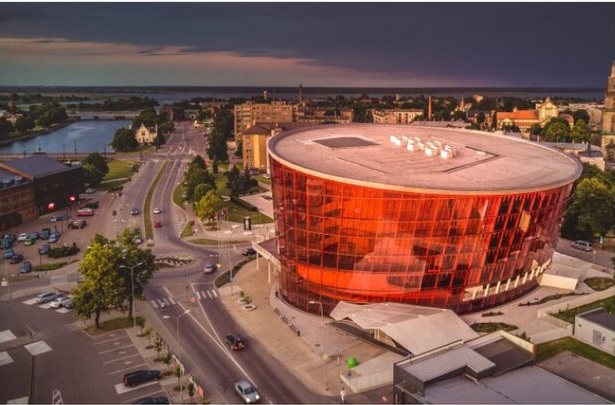

Maribor, Słowenia
Summer School of Good Stories: Literary, Film and Wine Tourism

On-site programme: 23–29 August 2026
Virtual component: 20 and 31 August 2026
Organisation: Faculty of Tourism
Venue: Brežice
ECTS: 3
Dive into a unique blend of literary, film, and wine tourism at the Summer School of Good Stories, taking place 23–29 August 2026 at the University of Maribor, Faculty of Tourism in Brežice.
This is not just a summer school — it is an immersive cultural experience.
You’ll study storytelling, film, travel writing, and wine culture right in the heart of a charming local community, where a vibrant film festival, open‑air concerts, and the height of summer energy unfold all around you.
Explore castles, meet filmmakers, taste local wines, walk literary trails, and create your own tourism stories — all while enjoying the lively pulse of Brežice in August.
Students receive 79 EUR per day + travel expenses according to the Erasmus scheme.
Apply now and be part of a summer you’ll never forget.
We look forward to welcoming you to Brežice!
SUMMER SCHOOL TIMETABLE
Introduction – Thursday, 20 August 2026 – Virtual Activity Only
Virtual meeting with participants
09:00–13:00 Virtual presentation of the Summer School and its objectives; online introduction of participants
Day 1 – Sunday, 23 August 2026
Welcome and introduction to the Summer School
- 15:00–16:00 Participant registration and welcome pack
- 16:00–16:30 Opening addresses (University of Maribor, Faculty of Tourism; organisers of the European Film Festival; Municipality of Brežice; journalists), media invited
- 16:30–17:30 Lecture: “Tourism as Narrative: The Power of Story in Interpreting Place, or When Literature, Film and Wine Meet”
(Prof. Dr Jasna Potočnik Topler) - 17:30–18:30 Virtual lecture: Travel Writing and Storytelling – Introduction and Guidelines for the First Assignment
(Dr Charlie Mansfield) - 18:30 Reception
- 20:00–22:00 Visit to Brežice Castle (guided tour and assignment within the travel writing module, Posavje Museum Brežice)
Day 2 – Monday, 24 August 2026
Literary Tourism and Stories of Place
- 09:00–10:30 Lecture: “Literary Tourism: From Writers to Literary Trails”
(Prof. Dr Jasna Potočnik Topler, FT UM & Jordi Arcos Pumarola, CETT-UB, Barcelona School of Tourism, TULE) - 10:30–12:00 Workshop with doctoral student and President of the Association of Regional Tourist Guides of Slovenia, Mateja Kregar Gliha:
“Place as Character – Creating a Literary Story for Tourism Interpretation” - 12:00–14:00 Virtual session with tourist guides (Thailand, Moldova, Slovenia, Greece, Bahrain)
- 14:30–17:00 Field visit: “A Literary Walk through Brežice” (in cooperation with Brežice Library)
- 18:00–20:00 Virtual lecture
(Prof. Dr Ivona Jovanović & Prof. Dr Andriela Vitić-Ćetković, University of Montenegro, Faculty of Tourism and Hotel Management) - 20:00–21:00 Visit to a wine cellar and wine tasting
(Assist. Prof. Dr Vita Petek)
Day 3 – Tuesday, 25 August 2026
Film Tourism and Visual Storytelling
- 09:00–10:30 Lecture: “Film Tourism: Places, Stories and Destination Perception”
(Assoc. Prof. Dr Maja Turnšek, FT UM) - 10:30–12:00 Virtual session: VR, contemporary technologies and guiding (ARGOS)
- 12:00–14:00 Workshop: “From Scene to Destination – How Film Creates a Tourism Product”
(Assoc. Prof. Dr Krešimir Dabo, University of Zadar) - 15:00–17:00 Heritage in Tourism
(Assist. Prof. Dr Anja Mlakar, University of Maribor, Faculty of Tourism) - 20:00–23:00 Film screening and discussion evening with filmmakers
Day 4 – Wednesday, 26 August 2026
Wine Tourism and the Culture of Tasting
- 09:00–10:30 Lecture: “Wine and Story: Interpreting Wine Heritage in Tourism”
(Assist. Prof. Dr Vita Petek, University of Maribor, Faculty of Tourism) - 10:30–12:30 Sensory storytelling workshop:
“How to Taste Wine and Tell Stories About It”
(Assistant Tjaša Alegro, University of Maribor) - 13:00–15:00 Virtual session
(Rita Baleiro, University of Algarve, CiTUR TULE Lab) - 15:00–18:00 Visit to a local winery (wine tasting and discussion with the winemaker)
- 20:00–23:00 Film screening
Day 5 – Thursday, 27 August 2026
Travel Writing and Experience Creation
- 09:00–10:00 Discussion with filmmakers from the European Film Festival
- 10:15–12:00 Travel writing workshop:
“How to Write the Journey – How to Tell the Story of a Place”
(creative writing, video recording) – Jasna, Vita, Tjaša, Hana - 12:00–13:30 Creative group work – preparation of mini projects
(literary/film/wine itinerary) – Jasna, Vita, Tjaša, Hana - 15:00–17:00 Mentoring sessions and presentation of project concepts
- 20:00–23:00 Screening of a selected film and discussion on cinematic representations of place
Day 6 – Friday, 28 August 2025
Conclusion and Presentation of Results
- 09:00–12:00 Group work on itineraries
- 12:00–13:30 Lunch
- 13:30–16:00 Group project presentations:
“Good Stories as a Tourism Product”
Media invited – press conference and refreshments - 16:30–18:00 Final discussion:
“Connecting Art and Tourism: Challenges and Opportunities” - 18:00–24:00 Closing festival events
Day 7 – Saturday, 29 August
- 10:00 Group photograph and certificate award ceremony
- 12:00 Departure
Monday, 31 August – Online Evaluation of the Summer School- Virtual Activity Only
- 09:00–12:00 Watching the podcasts from the Summer School
- 12:00 – 16:00 Summer School evaluation (students present their impressions)
Summer School Programme Committee:
Dr Jasna Potočnik Topler (University of Maribor, Faculty of Tourism),
Dr Marjetka Rangus, Dean (University of Maribor, Faculty of Tourism),
Dr Vita Petek (University of Maribor, Faculty of Tourism),
Tjaša Alegro (University of Maribor, Faculty of Tourism),
Dr Maja Turnšek (University of Maribor, Faculty of Tourism),
Dr Anja Mlakar (University of Maribor, Faculty of Tourism),
Dr Tomi Špindler (University of Maribor, Faculty of Tourism),
Hana Kuhar (University of Maribor, Faculty of Tourism),
Katja Kokot (University of Maribor, Faculty of Tourism)
International Guest Lecturers:
Dr Charlie Mansfield (Travel Writers Online),
Dr Krešimir Dabo (University of Zadar),
Dr Jordi Arcos-Pumarola (CETT Barcelona),
Dr Rita Baleiro (University of the Algarve),
Dr Andriela Vitić-Ćetković,
Dr Ivona Jovanović (University of Montenegro)
Local Guest Lecturers from Practice:
Mateja Kregar Gliha (Association of Regional Tourist Guides ARGOS),
Alenka Černelič Krošelj (Posavje Museum Brežice),
Jerneja Smole (European Film Festival),
Mojca Florjanič (Municipality of Brežice)
Summer School Organising Committee:
University of Maribor, Faculty of Tourism
Solution Design

On-site programme: 23 August–3 September 2026
Virtual component: 17–20 August 2026
Organisation: Faculty of Civil Engineering, Transportation Engineering and Architecture
Venue: Maribor
ECTS: 3
Ready to tackle real-world challenges and turn your ideas into impactful solutions? The Solution Design BIP offers a dynamic and hands-on learning experience where creativity meets innovation.
Work in international teams, collaborate with experts, and dive into exciting challenges using design thinking and user-centred approaches. Throughout the programme, you’ll develop practical skills in problem-solving, critical thinking, and presenting ideas—skills that truly stand out in today’s job market.
Join a community of motivated students from diverse backgrounds and take the first step towards becoming a confident problem-solver of the future.
Application deadline: 15 May 2026
EU Energy Law: Internal Market and Competition, Regulation and Sustainable Development

On-site programme: 7–11 September 2026
Virtual component: 1–3 September 2026
Organisation: Faculty of Law
Venue: Maribor
ECTS: 3
The importance of energy and energy law, and benefits of the summer school
In today’s world, the field of energy stands at the very center of individual life, society, the economy, and environmental protection and nature preservation. Sustainable development is inseparably linked to energy, and this connection is increasingly reflected in the legal sphere as well. Energy law is emerging as a distinct and coherent legal discipline that requires both intra‑disciplinary and inter-disciplinary approaches.
We have observed that traditional study programmes often do not yet include energy law to a sufficient extent. If you are interested in energy law and related fields, this summer school may offer you a valuable introduction to selected topics in energy law — and perhaps even serve as the first step toward a successful career in this rapidly developing field.
A warm welcome to the summer school!
About the programme
The programme is designed to offer insight into key questions of the internal energy market, competition, regulation, and sustainable development in the energy sector. These pillars include content presented in a clear and accessible way, allowing even newcomers to the field of energy law to follow with ease. The programme provides a well‑balanced combination of lectures, individual work, and group work in workshops. In addition, numerous social events are included, aimed at networking and enjoyment.
One of the highlights — combining learning, socializing, and fun — is the visit to the Krško Nuclear Power Plant.
About the lecturers
Your principal host and mentor will be Prof. Dr. Aleš Ferčič, one of Slovenia’s leading experts in energy law and policy. Additional lectures will be delivered by professors and teaching assistants from the Faculty of Law and the partnering Faculty of Energy Technology, both part of the University of Maribor.
The learning experience will be further enriched by contributions from distinguished international scholars and practitioners who will share their expertise and insights with the participants. Among them are visiting professors from partner universities, judges serving at the Court of Justice of the European Union, representatives of regulatory authorities. Practical perspectives will be provided by experts from power plant facilities.
Target audience
The primary target audience is law students; however, students of other fields of study, such as energy technology, economics, and ecology, who would like to understand the legal and regulatory foundations of the EU energy sector, are also invited.
What will you do?
- Attend lectures on selected topics in the virtual and on-site parts of the programme.
- In the individual work, you will read the materials from the assigned reading list.
- In the workshops, you practice teamwork, share knowledge and exchange ideas.
- Prepare a paper on the assigned topic.
- Take part in excursions and social events.
What will you gain?
- Acquire information on special issues of EU energy law in the context of internal (energy) market and competition, regulation, and sustainable development.
- Understand the complexity of the energy sector.
- Get familiar with the real cases processed by the CJEU.
- Ability to draw conclusions to complex questions and foresight into different scenarios.
- Gain skills of interpretation of solutions and/or challenges that lie ahead.
- Enhance your social network.
Memorable experience
The University of Maribor, Faculty of Law, will invest efforts to provide a unique experience for the students. Students will attend lectures and engage in individual work/reading, collaborate in workshops and discussions about the state of play in the field of EU energy law, the present situation and possible future scenarios.
Also, social events will be organized. For example, field excursions to energy plants will be organized, including the excursion to the Nuclear Power Plant in Krško, which will offer an exciting experience and the opportunity to discuss the potential and future importance of nuclear energy. On top of that, we plan a trip to the oldest town in Slovenia – Ptuj, where we will visit a renowned wine cellar.
About the venue
Maribor is the second-largest city in Slovenia; with 150.000 inhabitants, it is still relatively small but big enough to offer plenty of opportunities for joyful experiences. According to the leading tourism platform European Best Destinations, Maribor has been nominated for the title of Best Wine Capital of Europe 2026, recognized for its exceptional winegrowing tradition, the world’s oldest noble vine, its authentic character, and its high-quality wine, culinary, and cultural offer.
Maribor stretches across rolling vineyard hills, the green forests of Pohorje, and the unique heritage of the World’s Oldest Grapevine.
Application deadline: 1 June 2026
Organization, Management & Society

On-site programme: 7–11 September 2026
Virtual component: 31 August, 12 and 18 September 2026
Organisation: Faculty of Organizational Sciences
Venue: Kranj
ECTS: 3
Are you curious?
Are you innovative?
Do you have a desire for new knowledge?
Do you want to meet new people?
Are you a passionate problem solver?
If you answered yes to at least one question, then you are the right person to join a group of students at the BIP at the Faculty of Organizational Sciences. Your background is not important; it doesn’t matter whether you are studying to become a manager, an economist, a programmer, a data scientist, a psychologist, a social scientist.
Join us in researching organization, management, and society. Check the preliminary programme.
The new Erasmus+ programme (2021–2027) introduces new Blended Intensive Programmes (BIPs) as alternative mobility for students. BIP combines short-term physical mobility with a virtual component and makes the Erasmus mobility more flexible. Students who participate in BIPs can maintain their study plans at their home institution and include the BIP as a parallel activity. Short-term online and physical mobility (one or two weeks in Slovenia) will constitute the only period outside their home institution.
There is no tuition fee for the courses – lectures and workshops.
The deadline for application is 29 June 2026.
Designing sustainability strategies

On-site programme: 7–11 September 2026
Virtual component: 4 September 2026
Organisation: Faculty of Economics and Business
Venue: Maribor
ECTS: 3
Join an international, hands-on learning experience focused on tackling real-world sustainability challenges in business. This Blended Intensive Programme combines an engaging virtual introduction with an intensive on-site week in Maribor, bringing together students, academics, and industry experts.
You will explore how sustainability shapes corporate governance, strategy, and decision-making, while working directly on practical challenges provided by an international consulting company. Through interactive lectures, workshops, and teamwork, you will develop skills in areas such as sustainable business models, AI-supported project management, circular economy strategies, and responsible finance.
The programme emphasizes learning by doing: you will collaborate in international teams, solve real case challenges, and gain insights from both academic experts and industry practitioners. A study excursion to leading Slovenian companies will further connect theory with practice.
If you want to deepen your understanding of sustainability, strengthen your strategic thinking, and gain valuable international and practical experience, this programme is for you.
Please make sure to check the detailed programme.
The application deadline is 20 May 2026.
Implementing Sustainability: Governance, Strategic and Project Management
On-site programme: 14–18 September 2026
Virtual component: 11 September 2026
Organisation: Faculty of Economics and Business
Venue: Maribor
ECTS: 3
Take part in a dynamic international programme focused on turning sustainability from theory into real organizational practice. This Blended Intensive Programme combines a virtual introduction with an intensive on-site week in Maribor, where students, academics, and industry experts collaborate on solving concrete sustainability challenges.
The programme explores how sustainability can be effectively implemented through governance, strategy, and project management. You will gain practical insights into ESG integration, ethical leadership, stakeholder-oriented strategies, and sustainable business models, while working on real-life cases provided by an international consulting company.
Through interactive lectures, workshops, and teamwork in an international environment, you will develop key competences in managing sustainability within organizations. The programme also includes a study excursion to leading Slovenian companies, offering first-hand experience of sustainable practices in action.
If you want to strengthen your strategic thinking, gain hands-on experience, and understand how sustainability is implemented in real business contexts, this programme is an excellent opportunity to advance your knowledge and skills.
Please make sure to check the detailed programme.
The application deadline is 20 May 2026.
Guarda, Portugalia
Toolkit for a European Participatory Democracy
| Objectives and description | The aim is to bring democratic processes and mechanisms of social intervention closer to the daily lives of European citizens in decision-making, promoting dialogue as a core objective of a democratic community. It is therefore an educational project that seeks to provide a set of participatory tools to a wide range of communities. |
| Methods and outcomes | This course is participant-centered. Participants will develop various group facilitation activities, including group work, presentations, and the formation of discussion groups for decision-making. During the five in-person days, participants will work in groups to develop an idea for participatory intervention within their own social, cultural, and economic contexts. These ideas will evolve throughout the training process. |
| Field of Education | This course does not have a specific field of education; all areas, due to the characteristics of the course, are timely and important. |
| Target Audience / Participants profile | This BIP is open from all fields to all people. |
| N° of ECTS issued | 3 |
| Language of instruction requirements | English |
| Dates for Physical activities | 06/07/2026 to 10/07/2026 |
| Location of physical activities | Instituto Politécnico da Guarda, Avenida Dr. Francisco Sá Carneiro, 50, 6300-559 Guarda, Portugal |
| Dates for virtual component | 30.06.2026 |
| Virtual Component Description | The first virtual session aims to introduce BIP to all participants, delving into the various topics that will be covered, the different methodologies used, as well as practical advice on accessibility to the Guarda region, among other information that participants should know, in order to facilitate the integration process. The last virtual session aims to be the culmination of the entire training process, allowing all participants to present their various proposals for intervention and democratic participation in their communities, sharing them with the rest of the community. |
| Organizing board | |
| Receiving/Host university | João Leitão, Rosa Tracana e Ana Lopes |
| Sending/Partner universities | |
| Detailed program | |
| 30/06/2026 (online) – Introduce BIP to all participants; delving into the various topics that will be covered, the different methodologies used, as well as practical advice on accessibility to the Guarda region, among other information that participants should know. 06/07/2026 – 9h 30m am to 12h30m – Welcome and opening Session 14h30m to 17h30m – Workshop Intercomprehension 07/07/2026 – 9h 30m am to 12h30m – Participatory Art 14h30m pm to 17h30m pm – Workshop Participatory Art; 08/07/2026 – 9h 30m am to 12h30m Workshop European Citizenship – 14h30m pm to 17h30m pm – Participatory Budget ; 09/07/2026 – 9h 30m am to 12h30m – Conference: Experiences of Participatory Democracy 14h30m pm to 17h30m pm – Workshop Participatory Art; 10/07/2026 – 9h 30m am to 12h30m -Trip on the Douro Barca da Alva/Activity Evaluation 14h30m pm to 17h30m pm – The last session, aims to be the culmination of the entire training process, allowing all participants to present their various proposals for intervention and democratic participation in their communities, sharing them with the rest of the community. – 19h30m – Closing Dinner | |
| Deadline for application | Until 30/05/2026 |
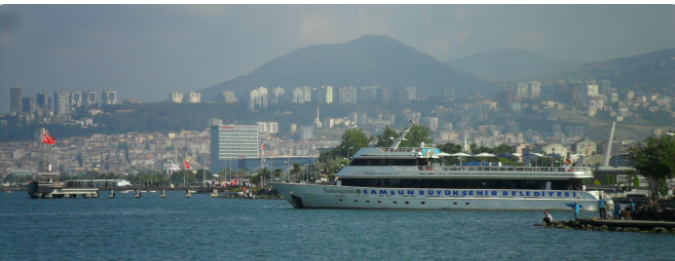
Samsun, Turcja
Addiction and Addiction Prevention
We invite your institution to participate in two Erasmus+ BIP programs to be held in June 2026 (physical mobility), each including a virtual component and a physical mobility period at our university.
Accommodation will be provided free of charge for students, and a rich academic and cultural programme has been designed to ensure a rewarding experience.
Each program awards 3 ECTS credits, and participants will receive an official transcript.
AI-Enhanced Language Learning
We invite your institution to participate in two Erasmus+ BIP programs to be held in June 2026 (physical mobility), each including a virtual component and a physical mobility period at our university.
Accommodation will be provided free of charge for students, and a rich academic and cultural programme has been designed to ensure a rewarding experience.
Each program awards 3 ECTS credits, and participants will receive an official transcript.
Ryga, Łotwa
Promoting Research Opportunities for Building Expertise (PROBE)
Programme Application for Organising an Erasmus+ Blended Intensive Programme (BIP) at the University of Latvia
- Responsible unit/institution:
University of Latvia, Faculty of Education Sciences and Psychology - Contact person: Indra Odiņa
- BIP title:
Promoting Research Opportunities for Building Expertise (PROBE) - Period:
11–15 May 2026 - Programme description and objectives:
Overall aim of the BIP:
The Blended Intensive Programme (BIP) will promote the development of students’ research skills, international cooperation, and civic engagement, creating an environment where students and lecturers from various European universities can jointly enhance their knowledge and practical competences. Within the programme, students will develop and present group research projects at an international research conference, thereby strengthening academic competencies as well as collaboration, communication, and civic engagement skills.
Objectives
- To develop students’ research competence, especially in research planning, data analysis, and presentation of results.
- To promote international cooperation and the exchange of scientific experience on a European scale.
- To strengthen civic and social engagement by fostering understanding of European Union values, democratic processes, and active participation in society.
- To provide a platform for student group research presentations at an international conference.
- To enhance cooperation among international lecturers and students by integrating formal and non-formal education methods in teaching research skills.
Preliminary Programme Content and Activities
Day 1 – Current Research Issues and Introduction
• Opening session and introduction to the programme objectives.
• Lectures on current research trends and methodology.
• Workshop: “From Idea to Research Question”.
Day 2 – Research Methods and Ethics
• Seminars on qualitative and quantitative research methods.
• Discussion on ethical principles in research and academic integrity.
• Start of group work – developing the research idea.
Day 3 – European Dimension and Civic Engagement
• Interactive seminar: “Civic Engagement and Democratic Processes in Europe”.
• Group workshops on social and civic participation in higher education.
• Discussion on the role of the European Union in the development of research and education.
Day 4 – Developing Scientific Communication Skills
• Workshops on academic writing, data interpretation, and presentation skills.
• Practical session: “How to Effectively Communicate Research Results in an International Context”.
• Group preparations for the final event.
Day 5 – International Research Conference
• Student group research presentations at the international closing event.
• Feedback session with academic staff and experts.
• Final discussion on future cooperation and sustainability of results.
Expected Results
- Improved students’ research, critical thinking, and collaboration skills.
• New international contacts and experience-sharing networks established.
• Strengthened civic engagement and understanding of EU values.
• Joint student research projects created and presented at an international conference.
• Enhanced cooperation with partner universities.
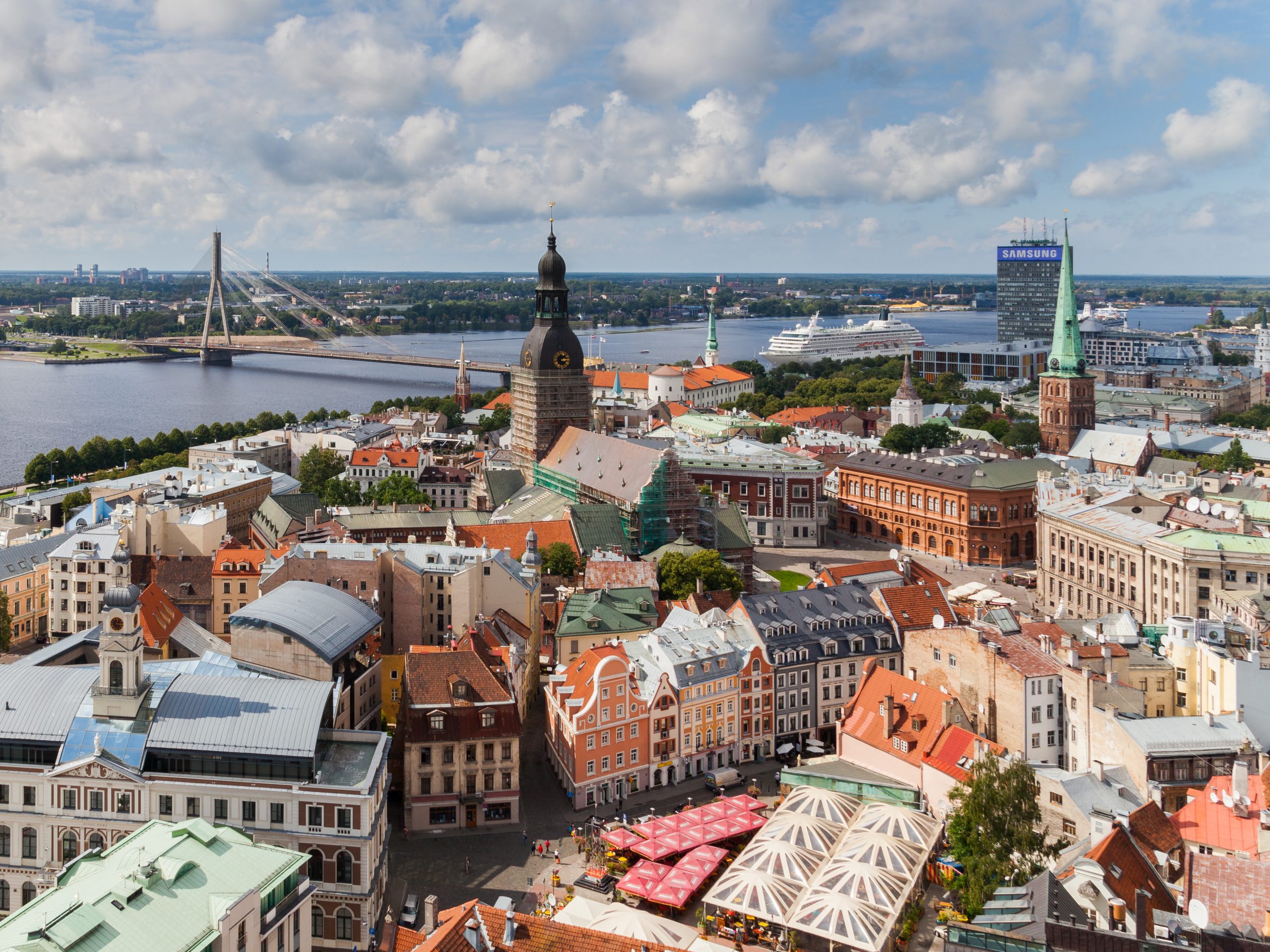
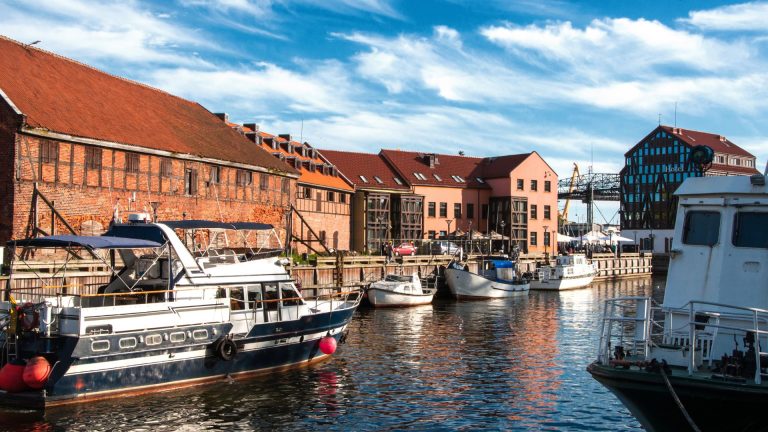
Klaipeda, Litwa
Sustainable Urban Planning Using Remote Sensing: Klaipėda Case
Klaipėdos valstybinė kolegija (KVK) is pleased to invite your institution to participate in the Blended Intensive Programme (BIP) “Sustainable Urban Planning Using Remote Sensing: Klaipėda Case” (see preliminary programme).
Who can participate:
Students and academic staff from the Real Estate Measurement Engineering programme.
Programme format:
The programme is delivered in a blended format:
- Online or in-person lectures/consultations before the mobility period
- On-site activities in Klaipėda
- Follow-up lectures/consultations after the mobility period
On-site dates:
1–5 June, Klaipėda, Lithuania
Credits:
Participants who successfully complete all requirements will receive a certificate worth 3 ECTS credits.
What you need to do:
- Please nominate your students by 15 May by emailing Monika Teresiute at m.teresiute@kvk.lt
- After nomination, ask the selected students to complete the registration form by 18 May using the link: BIP „Sustainable Urban Planning Using Remote Sensing: Klaipėda Case“
Nabory zakończone
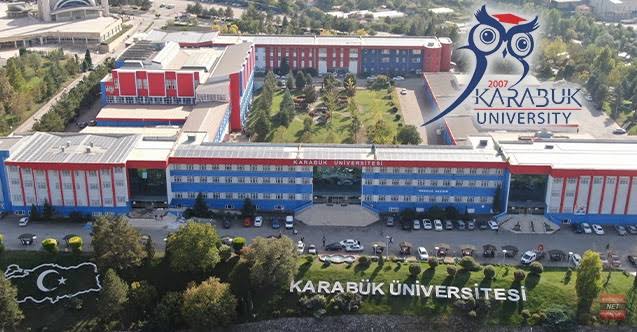
Karabük, Turcja
Research Techniques
KARABÜK UNIVERSITY ERASMUS BLENDED INTENSIVE PROGRAM ELIT 305 – RESEARCH TECHNIQUES
Duration: On-line courses – 10 days (2 hours/day) – on-site activities in Karabük – 5 days, 13 April -17 April 2026
Location: Karabük, Türkiye
ECTS: 5
Number of Participants: 15 students
Programme Overview
The Research Techniques Blended Intensive Programme (BIP) aims to bring together students from different academic and cultural backgrounds to explore interdisciplinary research methods. While the programme places a particular emphasis on English Language and Literature, it also develops transferable research skills applicable across a wide range of academic disciplines.
Through a blended learning approach, the programme combines online preparation with an intensive on-campus component, encouraging academic collaboration, critical thinking, and intercultural exchange.
Eligible Fields & Participants
This programme is open to students from:
- English Language and Literature
- Engineering programmes
- Other related and relevant academic disciplines
Programme Structure
Virtual Component (Online – Microsoft Teams)
An online kick-off session will be organised to introduce the programme framework, academic expectations, and collaborative activities.
📅 Exact date to be announced.
On-site Component (Karabük, Türkiye)
📅 13–17 April 2026
International Security: Global Threats and Cooperation
International Security: Global Threats and Cooperation Erasmus+ Blended Intensive Programme (BIP)
Host Institution: Karabük University
On-site Dates: 13–17 April 2026
Location: Karabük, Türkiye
ECTS: 5
Number of Participants: 15 students
Programme Overview
The International Security: Global Threats and Cooperation Blended Intensive Programme (BIP) focuses on contemporary global security challenges and international cooperation mechanisms. The programme provides students with a comprehensive understanding of global threats and encourages critical analysis of security dynamics within the international system.
Designed with an interdisciplinary perspective, the programme promotes discussion, collaboration, and knowledge exchange among students from different academic backgrounds.
Eligible Fields & Participants
This programme is primarily open to:
- International Relations students
- Students from other related disciplines with an academic interest in international security, global threats, and international cooperation
Programme Structure
Virtual Component (Online – Microsoft Teams)
An online kick-off session will be organised to introduce the academic framework and initiate collaboration among participating students and institutions.
📅 Exact date to be announced.
On-site Component (Karabük, Türkiye)
📅 13–17 April 2026
Artificial Reality and Artificial Intelligence in Dentistry
Artificial Reality and Artificial Intelligence in Dentistry
Host institution: Karabük University, Faculty of Dentistry (Türkiye).
This programme aims to provide students with comprehensive academic and practical insight into the applications of artificial intelligence, digitalisation, simulation technologies, and virtual reality in modern dental education and clinical practice. The BIP combines an online preparatory component with an intensive on-site programme and promotes international, interdisciplinary, and intercultural learning.
Programme Details
- Host Institution: Karabük University – Faculty of Dentistry
- Location: Karabük, Türkiye
- On-site Dates: 04–08 May 2026
- ECTS Credits: 3 ECTS
- Number of Participants: 15 students
- Target Group:Dentistry students.
Students from oral care programmes and other related disciplines with an interest in artificial reality and artificial intelligence applications in dentistry can also be participated.
Programme Structure
- Virtual Component: Online kick-off session (Microsoft Teams – exact date to be announced)
- On-site Component: Academic lectures, hands-on workshops, simulation-based training, clinical visits, and cultural & social activities
Nomination and Application Process
Expression of Interest (Participation Confirmation)
Partner institutions are kindly requested to confirm by email whether they intend to send students to the BIP organised by Karabük University.
📅 Deadline for Expression of Interest: 27 February 2026
This confirmation is essential in order to finalise the participant quota and programme planning.
Nomination Procedure
Following the confirmation of participation, partner institutions are requested to submit the final list of nominated students through their institutional Erasmus Office.
Nominations should be sent by email to: Gökhan Özdemir Karabük University Erasmus Office (gokhanozdemir@karabuk.edu.tr)
The nomination list should include the following information for each student:
- Full name
- Field of study
- Academic level
- Email address
- Erasmus+ status
📅 Deadline for Submission of Nominated Student Information: 03 April 2026
This deadline represents the final commitment of partner institutions regarding the students they intend to send to the programme.
Application Procedure
Nominated students will be contacted individually and invited to complete the online application process. Detailed information regarding required documents, participation in the virtual component, and logistical arrangements will be shared with the nominated students after the nomination deadline.
Practical Arrangements
Support will be provided for accommodation arrangements, and assistance with transportation from the airport to Karabük University will be offered to ensure a comfortable and well-organised stay for participants.
Artificial Intelligence and Digitalization in Nursing
Artificial Intelligence and Digitalization in Nursing
This programme aims to provide nursing students and students from related health disciplines with essential academic and practical knowledge on the integration of artificial intelligence (AI), digitalisation, simulation technologies, and virtual reality (VR) into contemporary nursing education and clinical practice.
Programme Information
Programme Title: Artificial Intelligence and Digitalization in Nursing
Programme Type: Erasmus+ Blended Intensive Programme (BIP)
Host Institution: Karabük University – Faculty of Health Sciences, Department of Nursing
Location: Karabük, Türkiye
On-site Dates: 04–08 May 2026
ECTS Credits: 3 ECTS
Number of Participants: 15 students
Programme Overview
The programme combines a virtual preparatory component with an intensive on-site programme in Karabük, Türkiye. The academic structure integrates theoretical lectures, interactive workshops, high-fidelity simulation sessions, laboratory practices, and clinical observations.
Participants will gain insight into AI-supported clinical decision-making systems, digital health technologies, and innovative applications of artificial intelligence in core nursing fields, including psychiatric and mental health nursing, medical–surgical nursing, and pediatric nursing. Special emphasis is placed on simulation-based learning, virtual reality environments, patient safety, therapeutic communication, and critical thinking in nursing education.
In addition to academic activities, the programme includes cultural and social events designed to enhance intercultural learning, collaboration, and professional networking among students from partner institutions.
Upon successful completion of the programme, participants will be awarded 3 ECTS credits, in accordance with the defined learning outcomes and assessment criteria.
Eligible Participants
- Primarily nursing students
- Students from other health-related disciplines (such as midwifery) with an academic or professional interest in artificial intelligence, digital health, simulation-based education, and virtual reality applications in nursing and healthcare
Programme Structure
Virtual Component (Online – Microsoft Teams)
An online kick-off session will be organised to introduce the programme framework, learning objectives, and expectations.
(Exact date to be announced.)
On-site Component (Karabük, Türkiye)
📅 04–08 May 2026
The on-site programme includes:
- Academic lectures on AI and digitalisation in nursing
- Hands-on workshops and VR-based laboratory sessions
- Visits to nursing laboratories and Karabük University Training and Research Hospital
- Cultural and social activities, including a Safranbolu cultural programme
Nomination and Application Process
Expression of Interest
Partner institutions are kindly requested to confirm by email whether they intend to participate in the programme.
📅 Deadline for Expression of Interest: 27 February 2026
This confirmation is required to finalise participant quotas and programme planning.
Nomination Procedure
Following confirmation of participation, partner institutions are requested to submit the final list of nominated students through their institutional Erasmus Office.
📧 Nominations should be sent to:
Gökhan Özdemir
Erasmus Office – Karabük University
gokhanozdemir@karabuk.edu.tr
The nomination list must include the following information for each student:
- Full name
- Field of study
- Academic level
- Email address
📅 Deadline for Submission of Nominated Student Information: 03 April 2026
This deadline represents the final commitment of partner institutions regarding nominated students.
Application Procedure
Nominated students will be contacted individually by Karabük University, Faculty of Health Sciences, Department of Nursing and invited to complete the online application process. Detailed information regarding required documents, participation in the virtual component, and logistical arrangements will be shared after the nomination deadline.
Practical Arrangements
Support will be provided for accommodation arrangements during the on-site period. Assistance with transportation from the airport to Karabük University will also be offered to ensure a comfortable stay for participants.
ARTIFICIAL INTELLIGENCE AND DIGITALIZATION IN NURSINGARTIFICIAL REALITY AND ARTIFICIAL INTELLIGENCE IN DENTISTRY
Klaipeda, Litwa
Contemporary Challenges of Management in Business Environment
Physical programme: 20/04/2026 – 24/04/2026
Virtual programme:
- 31/03/2026
- 01/04/2026
- 02/04/2026
Short description: The aim – To promote the integration of effective professional development management skills among students, emphasizing its role in today’s workplace. Throughout the training, students will gain insights into best practices, understand the main challenges of management in today’s business environment and cultivate a culture of continuous learning and development.
Participants: Bachelor degree students studying Tourism Business, Digital Marketing, Logistics Management, Management of Organizations.
ECTS: 3 ECTS
Working language: English, minimum B1 level
Number of Participants: 20
Location: Jaunystės str. 1; Jaunystės str. 2, Klaipeda, Lithuania
Included (only for students): Accommodation, tours and guided excursions. Coffee breaks are provided once per day.
Not included: Lunch
Organizer: Mantas Saltykovas, Head of Department, m.saltykovas@kvk.lt.
Digital City Twins: Solutions for Klaipeda City
Klaipėdos Valstybinė Kolegija (KVK) is pleased to invite you to participate in a Blended Intensive Programme “Digital City Twins: Solutions for Klaipeda City” (BIP) (preliminary programme in attachment) organised by KVK, intended for students and academic staff in engineering fields.
The programme is designed in a blended format: lectures and/or consultations will be delivered before the mobility period and after the mobility period (remotely or in person, according to the agreed arrangement), ensuring structured preparation and reflection on the outcomes of the mobility.
Upon successful fulfilment of the programme requirements and completion of all assigned tasks, participants will receive a certificate confirming the award of 3 ECTS credits.
The on-site part of the programme will take place in Klaipėda from 30 March 2026 to 3 April 2026.
Which field students can participate: Bachelor students of Construction Engineering and Real Estate Measurement Engineering.
Note: Nominations and registrations are welcome until 9 of March.
Deggendorf, Niemcy
Transforming Healthcare with AI: Bridging Knowledge, Practical Applications, and Adoption
Physical program: Friday, 07.11.2025 – Friday, 14.11.2025
Place: European Campus in Pfarrkirchen
In case that you have students who are interested, please send us the nomination (see nomination sheet attached) no later than 01.07.2025.
Since spots are limited, selected students will be accepted and informed about the further application process after the nomination deadline.
You can find more information in our flyer (see attachment) and on our website: https://th-deg.de/erasmus-blended-intensive-programme-ai-ml-healthcare
If you are not the person in charge, please share our invitation with the relevant colleagues.
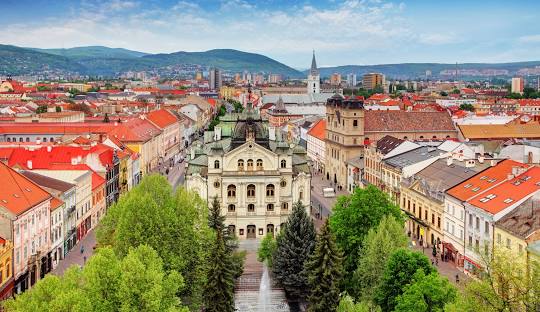
Koszyce, Słowacja
The Resilience X-Factor of a City
Physical programme: 16/06/2025-20/06/2025
Virtual programme: May 2025 (1-2 days)
Short description:Interested in how cities can thrive despite challenges? The Summer Institute 2025, „The Resilience X-Factor of a City,” will explore how cities can become more resilient by:
→ Understanding and strengthening urban resilience: We’ll examine how cities can prepare for and recover from environmental, social, and economic shocks.
→ Addressing shocks: Learn how cities can anticipate and respond to various challenges.
→ Assessing impacts: Understand how to measure the effects of shocks on urban areas.
→ Fostering adaptation: Discover strategies for cities to adjust to changing conditions.
→ Enabling mitigation: Explore ways to reduce the impact of future shocks.
→ Driving improvement: Learn how to build back better after a crisis, creating more sustainable and resilient cities.
In our increasingly complex world, cities need to adapt and bounce back stronger. This program will give you insights into mitigating risks, responding to diverse shocks, and rebuilding cities as resilient, modern, and sustainable urban hubs. You’ll gain a deeper understanding of the factors that contribute to urban resilience and how proactive adaptation can minimize negative impacts.
Impact: The knowledge gained during the Summer Institute 2025 will contribute to the global conversation at the COP30 Climate Conference in Belem, Brazil.
The Summer Institute 2025 is organized by universities within the Ulysseus European University Alliance:
• Technical University of Košice (Slovakia)
• University of Seville (Spain)
• University of Côte d’Azur (France)
• University of Genoa (Italy)
The program will feature keynote lectures from renowned scholars like Peter Nijkamp and Carlos Moreno.
Course content:
o Defi ne Objectives
o Collect and Prepare Data
o Explore and Analyze Data
o Select the Right Visualization Type Creative Digital Tools / Data Visualization – 3
o Design of the Visualization
o Deploy and Share the Visualization
o Evaluate and Iterate
Field of study:
● Economics, Regional Science, Architecture, Urban studies, Geography.
Course dates:
• Virtual part of the course will be held in May 2025 (exact dates will be announced later).
• Physical part of the program will take place over one week from 16/06/2025 to 20/06/2025. It will be held at the Technical University of Košice, Faculty of Economics, Slovakia.
• Registration dates are open from 15/03/2025 to 15/04/2025 (Please be aware that your home university may set a different application deadline depending on their internal selection process).
Learning Outcomes:
Following this course, students will be able to:
o Master Resilience Concepts: apply in-depth knowledge of resilience frameworks and evidence-based strategies to real-world urban challenges;
o Design Sustainable Urban Systems: utilize acquired skills to design adaptive, data-driven, and sustainable urban systems;
o Apply Advanced Tools and Methods: live hands-on experience with advanced tools and methods to address real-world urban challenges;
o Shape Future Urban Resilience: explore collaborative opportunities to shape future urban resilience policies, supported by the X-Factor of resilience, new insights, and practical, smart, and effective solutions.
Participants: Students (master, PhD)
Course Practical Details
● Start date virtual part: May 2025 (1-2 days).
● Start date of the physical part: 16/06/2025.
● Teaching language: English.
● Location: Technical University of Košice (TUKE), Faculty of Economics, Slovakia.
● ECTS: 3.
● Workload: 40 hours.
● The maximum number of participants for the BIP and precise if participants in addition of the Erasmus+ one can be added: 50.
● Contact:
Blended intensive program: The resilience x-factor of a city- 6
o TUKE – Katarína Valentová (katarina.valentova@tuke.sk);
o USE – Carmen Hinojosa (mobilityulysseus@us.es);
o UniCA – Marine Clozza (mobility-ulysseus@univ-cotedazur.fr)
o UniGe – Giulia Colletti (mobility-ulysseus@unige.it). Physical Mobility
• Start date: 16/06/2025.
• End date: 20/06/2025.
Day 1
Morning
08:00 – 09:00 Registration
09:00 – 12:00 Greeting speech and introduction
Afternoon
13:30 – 16:30 Lectures
18:00 Public Debate with key-note speakers
Day 2
Morning
08:00 – 09:00 Meet the professors
09:00 – 12:00 Lectures
Afternoon
13:30 – 16:30 Lectures
18:00 Hack the City
Day 3
Morning
08:00 – 09:00 Meet the professors
09:00 – 12:00 Lectures
Afternoon
13:30 – 16:30 Specialised Fieldwork/Guided City tour
Day 4
Morning
08:00 – 09:00 Meet the professors
09:00 – 12:00 Bootcamp
Blended intensive program: The resilience x-factor of a city- 7
Afternoon
13:30 – 16:30 Bootcamp
18:00 Farewel party
Day 5
Morning
08:00 – 09:00 Meet the professors
09:00 – 12:00 Student work presentation
Afternoon
13:30 – 16:30 Student work presentation
18:00 Evaluation and closing ceremony Virtual Component/Part
● Practical details regarding the Virtual Component will be announced later. Requirements
● Participants should be Master/PhD students or young scientists in the fields of study such as Economics, Regional Science, Architecture, Urban studies, Geography.
● Participants should be fluent in English, minimum level B2.
● Participants should be eager to work in teams and enthusiasts for solving actual city problems. Application Process
● Deadline for accepting applications: 15/04/2025 (Please be aware that your home university may set a different application deadline depending on their internal selection process).
● Required documents: CV, thesis proposal.
Blended intensive program: The resilience x-factor of a city- 8
● Depending on student’s HOME UNIVERSITY, please find below the contact information, including a list of links providing email addresses from the mobility offices of each of the Alliance’s universities.
Koszyce, Słowacja
Creative Digital Tools / Data Visualization #2
UWAGA! Program przesunięty na przyszły rok akademicki. Więcej informacji wkrótce.
We would like to take this opportunity to inform you of a very interesting Blended Intensive Program that the Technical University of Košice is organizing from 5-9 May, 2025.
It is called: Creative Digital Tools / Data Visualization #2 and it is a continuation of the successful BIP Part #1, which focused on understanding the meaning and use of data, as well as exploring creative possibilities for working with data sets. This new edition emphasizes enhancing and expanding skills in digital tools for data visualization, with a focus on both artistic and scientific applications.
We would like to invite your students to join us in these interesting sessions! Registration is open until April 7th!
Your students can be financially supported from the Erasmus+ program.
For more information, please see the pdf.
To apply, submit your CV and thesis proposal to martina.makaturova@tuke.sk
Bukareszt, Rumunia
QUALITY4PPP (People Planet Performance)
We would like to share with you a BIP we are organizing in MAY!
would be so kind to disseminate it with your faculties and departments!
The Blended Intensive Programme QUALITY4PPP (People Planet Performance) is organized aiming to improve skills of students and graduates in the field of applied quality engineering, to facilitate networking and support customer-focus culture, process approach, risk-based thinking and customer protection policies.
The modules target students (bachelor and master), PhD students, specialist interested in quality engineering applications in different sectors, services and business. Projects and applications will be customised in line with the students level so as to acquire technical and transversal skills and promote teamwork. In total, the BIP activity awards 3 ECTS, meaning 75 hours of activity.
Between May, the 19th and the 23rd, activities on site / in presence in POLITEHNICA Bucharest are organised, followed by online activities until May, the 30th, 2025, preliminary schedule, attached.
Registration is open here: BIP Registration form
For more information please write at: irina.severin@upb.ro , manuela.dijmarescu@upb.ro
Klaipeda, Litwa
Mastering the Art of Game in a Changing World
Physical programme: 05/05/2025 – 09/05/2025
Virtual programme: 29/04/2025 and 12/05/2025
Short description: The aim of the program is to develop students’ competences to design, analyse, and apply game concepts in a changing world, fostering strategic thinking, entrepreneurial skills, innovative educational practices, the use of virtual reality technologies, experimental modelling methods, and conflict resolution and counter-strategy development through game-based approaches. The program is designed for students aiming to integrate game mechanics into their professional activities, promote creativity, and address real-world challenges through the lens of gamification.
Participants: Bachelor degree students. Priority is given to pedagogy field students, but students from other programs can also apply.
Teaching Staff can also participate in this project as an Erasmus lecturer/coach/guest speaker.
ECTS: 3 ECTS
Working language: English, minimum B1 level
Number of Participants: 20
Location: Jaunystes str. 1, Klaipeda, Lithuania
Included (only for students): free accommodation (5 nights), coffee breaks, excursions.
Organizer: Audronė Čistienė, Head of Pedagogy Department, a.cistiene@kvk.lt
Smart Management of Personal Finance in Digital World
Physical programme: 05/05/2025 – 09/05/2025
Virtual programme: 29/04/2025 – 30/04/2025
Short description: The course is designed to improve students’ financial literacy and introduce the key principles of personal financial management for financial success using modern technological tools. To achieve this objective, the following tasks are set:
– plan personal income and spending, keep debt under control and build an emergency fund;
– take responsibility for current and future financial situation and set realistic financial goals;
– introduce sustainable investment instruments and create a realistic personal budget.
Participants: 1st and 2nd year Bachelor degree students.
Teaching Staff can also participate in this project as an Erasmus lecturer/coach/guest speaker.
ECTS: 3 ECTS
Working language: English, minimum B1 level
Number of Participants: 20
Location: Jaunystes str. 1, Klaipeda, Lithuania
Included (only for students): free accommodation (5 nights), coffee breaks.
Organizer: Sabina Jurkaitienė, Head of Finance and Accounting Department, s.jurkaitiene@kvk.lt
Contemporary Challenges of Management in Business Environment
Physical programme: 14/04/2025 – 18/04/2025
Virtual programme: 31/03/2025 – 02/04/2025
Short description: The aim – to promote the integration of effective professional development management skills among students, emphasizing its role in today’s workplace. Throughout the training, students will gain insights into best practices, understand the main challenges of management in today’s business environment and cultivate a culture of continuous learning and development.
Participants: Bachelor degree students.
Teaching Staff can also participate in this project as an Erasmus lecturer/coach/guest speaker.
ECTS: 3 ECTS
Working language: English, minimum B1 level
Number of Participants: 20
Location: Jaunystes str. 1, Klaipeda, Lithuania
Included (only for students): free accommodation (5 nights), coffee breaks, excursions.
Organizer: Mantas Saltykovas, Head of Business Administration Department, m.saltykovas@kvk.lt
Smart Home Energy Control System Using the JUNG Home Platform ELECTRICAL ENG
Physical programme: 12.05.2025-16.05.2025
Virtual programme: 19.05.2025-20.05.2025
Registration link: here
Smart Home Energy Control System Using the JUNG Home Platform IT PART
Physical programme: 12.05.2025-16.05.2025
Virtual programme: 19.05.2025-20.05.2025
Registration link: here
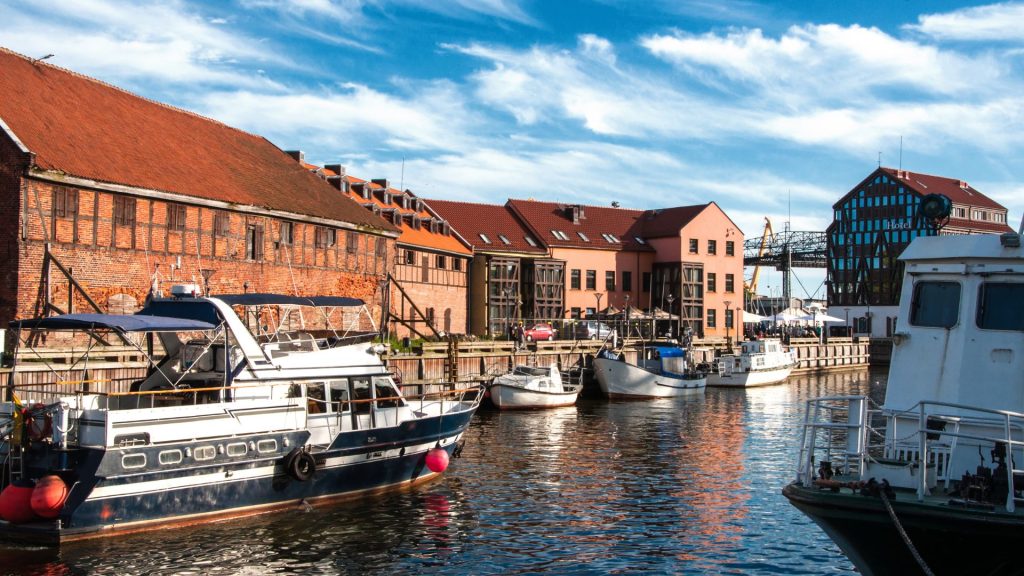
Warna, Bułgaria
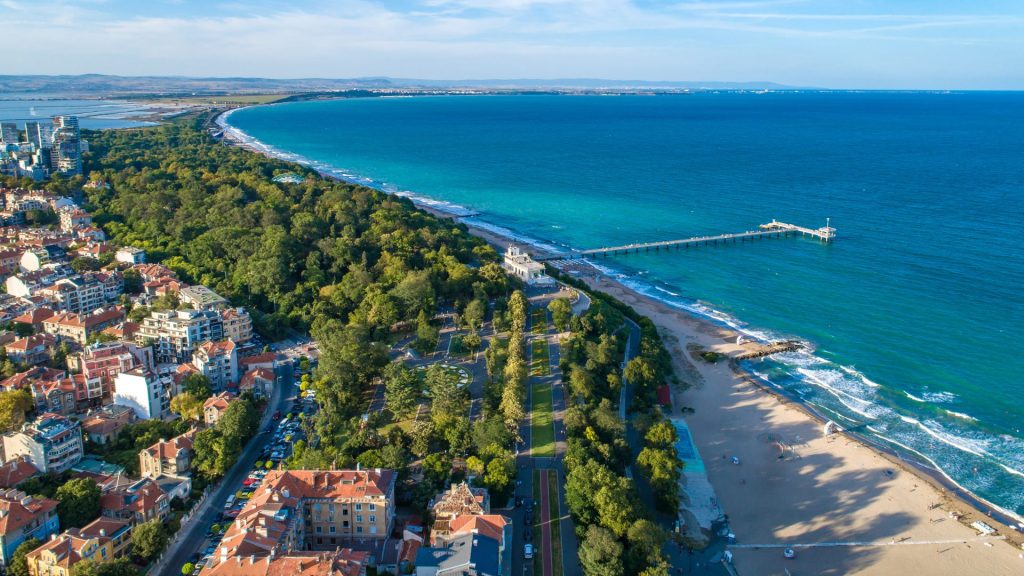
Leveraging Big Data for Decision Making in Business
Dear Students,
we would like to inform you about an exciting Blended-Intensive Programme (BIP) opportunity available at Varna University of Management.
BIP details:
- BIP name: Leveraging Big Data for Decision Making in Business
- Tentative timeframe:
Physical component: 26 – 30 May 2025
Virtual component: 8 contact hours delivered in the period of 16 – 30 June 2025
- Nomination deadline: 31 March 2025
- Documents related to the applicant(s) nomination are to be emailed to erasmus@vum.bg
Detailed information about the BIP can be found on our website from the link here.
Employability and Personal Brand Deyelopment
Dear Students,
we would like to inform you about an exciting Blended-Intensive Programme (BIP) opportunity available at Varna University of Management.
- BIP name: Employability and Personal Brand Development
- Tentative timeframe:
Physical component: 9 – 14 June 2025
Virtual component: 8 contact hours delivered during the week commencing 23 June 2025
- Nomination deadline: 31 March 2025
- Documents related to the applicant(s) nomination are to be emailed to erasmus@vum.bg
Istambuł, Turcja
Research Project Planning & Proposal Writing
Dear Students,
We are excited to announce Blended Intensive Program (BIP) “Research Project Planning & Proposal Writing” and invite you to participate in the BIP organised at Istanbul Gelisim University during the Spring Semester of the 2024-2025 Academic Year!
The program aims to prepare students for planning and writing research project proposals effectively.
Program Details:
- Virtual Component Phase: March 17th – April 21st, 2025 (6 weeks)
- Physical Component: April 28th– May 2nd 2025 (5 days in Istanbul at Istanbul Gelisim University)
- Target Participants: 2nd, 3rd, 4th-year Undergraduate Students, Master’s Degree Students (5 Each)
- Activities: Online lectures and group work during the virtual phase. Hands-on workshops and presentations during the physical phase in Istanbul.
- Credits/Recognition: [3 ECTS and certificates]
- Language Requirement: English, preferably B2 level and upper
- Field of Study: Interdisciplinary
Key Learning Outcomes:
Equip students with the skills necessary to…
- understand the basic principles of a research project and fundamentals of project proposal writing
- be able to design, develop and write effective project proposals
- develop the ability to conduct needs assessments and gather research data for proposals
- learn how to craft compelling proposals for a variety of project ideas of interest
- plan the organization, content, time and costs of the projects
- work in groups to effectively communicate ideas to other students
Program Structure:
- Topics Covered:
- Fundamentals of a Research Project
- Elements of a Project Proposal (Problem, Hypothesis, Methods)
- Research Plans, Budgets, and Timelines
- Proposal Refinement and Presentation

Zasady realizacji mobilności
Czas trwania
- krótkoterminowa mobilność fizyczna (pobyt w siedzibie uczelni partnerskiej) min. 5 dni – max 30 dni
- obowiązkowa część wirtualna (uczestnicy BIP realizują zajęcia online)
Długość trwania poszczególnych okresów komponentów określana jest przez Uczelnię organizującą kurs.
Wypłata stypendium
Dofinansowanie (dot. projektu KA131 2024 – okres realizacji do 31.07.2026 r.)
okres pobytu w uczelni partnerskiej od 5 do 14 dni – 79 EUR/dzień. Uczestnik z tzw. mniejszymi szansami* otrzymuje dodatkowe 100 EUR na wyjazd,
– okres pobytu w uczelni partnerskiej od 15 do 30 dni – 56 EUR/dzień. Uczestnik z tzw. mniejszymi szansami* otrzymuje dodatkowe 150 EUR na wyjazd.
*Uczestnik z tzw. mniejszymi szansami: osoba z orzeczeniem o stopniu niepełnosprawności lub student otrzymujący stypendium socjalne na PŚk w momencie ubiegania się o wyjazd.
Dodatkowo uczestnicy krótkoterminowych mobilności mieszanych otrzymują dofinansowanie kosztów podróży, obliczane na podstawie kalkulator odległości.
| Odległość | Ryczałt na podróż w Euro | „Green travel” w Euro |
| od 10 do 99 km | 28 | 56 |
| od 100 do 499 km | 211 | 285 |
| od 500 do 1999 km | 309 | 417 |
| od 2000 do 2999 km | 395 | 535 |
| od 3000 do 3999 km | 580 | 785 |
| od 4000 do 7999 km | 1188 | 1188 |
| 8000 km lub więcej | 1735 | 1735 |
Kwota ryczałtu jest uzależniona od odległości między miejscem rozpoczęcia podróży, którym jest siedziba uczelni macierzystej, a miejscem docelowym i od wyboru środka transportu. Pod uwagę należy wziąć odległość podróży w jedną stronę, aby obliczyć kwotę ryczałtu należną za podróż w obie strony.
Student otrzymujący ryczałt na podróż otrzymuje również wsparcie indywidualne na maksymalnie 2 dni podróży (jeśli podróż odbywa się przed rozpoczęciem działania i po jego zakończeniu).
Warunkiem uzyskania ryczałtu z tytułu podróży „green” jest przedstawienie stosownych dowodów potwierdzających sposób odbycia „green travel”, bilety autobusowe, kolejowe w formie papierowej lub wydruku elektronicznego, oświadczenie o odbyciu wspólnej podróży z klauzulą dotyczącą odpowiedzialności karnej za poświadczania nieprawdy itp.
Green Travel
Uznawanymi w programie Erasmus+ zrównoważonymi (green travel) środkami komunikacji są: autobus, pociąg, carpooling – wspólna podróż autem min. 2 osób na tej samej trasie, w tym samym celu.
Deklaracja i oświadczenie green travel
Ubezpieczenie
Informacja dot. ubezpieczenia
W związku z realizacją mobilności w ramach programu Erasmus+ uczestnik jest zobowiązany do posiadania odpowiedniego ubezpieczenia na czas podróży i pobytu za granicą. Ubezpieczenie powinno obejmować co najmniej ubezpieczenie zdrowotne, opcjonalnie odpowiedzialności cywilnej i następstw nieszczęśliwych wypadków.
W przypadku mobilności wewnątrz UE krajowe ubezpieczenie zdrowotne Uczestnika będzie obejmować podstawową ochronę podczas pobytu w innym kraju UE z wykorzystaniem Europejskiej Karty Ubezpieczenia Zdrowotnego. Jednak ubezpieczenie to może nie być wystarczające we wszystkich sytuacjach, na przykład w przypadku konieczności powrotu do kraju lub specjalnej interwencji medycznej lub w przypadku mobilności z krajami trzecimi niestowarzyszonymi z programem. W takim przypadku może być potrzebne dodatkowe prywatne ubezpieczenie zdrowotne. Ubezpieczenia OC i NNW obejmują szkody wyrządzone przez Uczestnika lub Uczestnikowi podczas pobytu za granicą. W różnych krajach obowiązują różne regulacje dotyczące tych ubezpieczeń, a Uczestnicy ryzykują, że nie zostaną objęci standardowymi systemami, na przykład jeśli nie są uważani za pracowników lub formalnie zarejestrowani w instytucji przyjmującej. Oprócz powyższego, zalecane jest ubezpieczenie od utraty lub kradzieży dokumentów, biletów podróżnych i bagażu.
I. NABÓR NA WYJAZDY
Student zgłasza chęć udziału w BIP składając w Dziale Rozwoju Kadry Naukowej i Współpracy Międzynarodowej – DRKNiWM (bud. C pok. 4.20):
- Kwestionariusz zgłoszeniowy, w którym wskazuje konkretny kurs wybrany z katalogu opublikowanych ofert/ zaproszeń wystosowanych przez Uczelnie partnerskie organizujące BIPy. Kwestionariusz musi być zaakceptowany przez Koordynatora Wydziałowego Erasmus+ oraz Dziekana/ Dyrektora SD. (oraz formularz online z danymi osobowymi)
- Po akceptacji aplikacji przez Koordynatora Uczelnianego, student samodzielnie zgłasza się do udziału w kursie do uczelni partnerskiej lub jest nominowany przez PŚk, jeżeli takie są wymogi uczelni przyjmującej.
- Po otrzymaniu informacji o przyjęciu na kurs student jest zobowiązany do przesłania za pośrednictwem maila erasmus@tu.kielce.pl potwierdzenia przyjęcia na kurs oraz wypełnienia i dostarczenia do Działu Rozwoju Kadry Naukowej i Współpracy Międzynarodowej:
Po dostarczeniu dokumentów pracownicy DRKNiWM przygotowują umowę finansową na dofinansowanie pobytu studenta w uczelni partnerskiej.
II. PO REALIZACJI MOBILNOŚCI
Student zobowiązany jest dostarczyć Certyfikat Uczestnictwa w BIP oraz wypełnić ankietę online
Lista dokumentów do pobrania
⇨ Deklaracja green travel
⇨ Oświadczenie green travel